United Kingdom
 China
 Hong Kong SAR
 India
 Indonesia
 Japan
 Malaysia
 Middle East
 Singapore
 Taiwan
 Turkey
You can buy a property in London from Thailand, as plenty of investors do. The harder part is financing. UK lenders accept overseas buyers, including Thai nationals. But the process differs from standard UK borrowing. Knowing where the differences lie will save you weeks before you start.
Can Thai nationals get a UK mortgage?

Yes, UK lenders treat Thai applicants as non-resident overseas buyers and that changes the criteria. Expect to put down 25% to 40% of the purchase price. This is well above what a UK resident would need.
Lenders price in the lack of UK credit history and sterling income. Loan-to-value usually sits between 60% and 75%. So if you are financing the purchase from Thailand, plan for the top of the deposit range.
A few specialist lenders will consider buyers with no UK credit footprint. They need the income paperwork to be clean and thorough.
How does a UK mortgage work for non-residents?
The basics are broadly the same as a standard UK mortgage. You borrow against the property’s value and repay over a set term, usually 15 to 25 years. The rate can be either fixed or variable and you can choose capital-and-interest or interest-only.
Interest-only is common among overseas buy-to-let investors. Rent covers the monthly payment and you repay the capital later or when you sell the property. The real difference is paperwork.
A lender will ask for:
- income evidence covering two or more years.
- proof of your assets.
- full ID that meets UK anti-money laundering rules.
- a clear record of employment or business income, usually translated into English and sometimes notarised.
If the loan is in sterling and your salary arrives in baht, every exchange-rate swing hits your repayments. Some buyers keep a sterling account for this. Others use a currency specialist.
UK mortgage for foreign nationals: what lenders look at
Currency is the other thing to plan for. Four things matter most in overseas applications:
Income and employment stability.
Salary, director drawings, rental income and dividends from established businesses can all count. What lenders need is consistency. Irregular or undocumented income makes an application harder.
Deposit source.
UK money laundering rules are strict. So you have to show the origin of your deposit. Savings, a property sale or gifted funds each need a clear paper trail.
Credit history.
You won’t have one in the UK. Some lenders build a picture from your Thai credit record. Others rely more on income strength and a larger deposit.
Residency and visa status.
You do not need to live in the UK to buy a property here. Still, your visa status and how often you plan to visit can narrow lender options. These factors also shift terms.
Overseas buyer UK property financing options
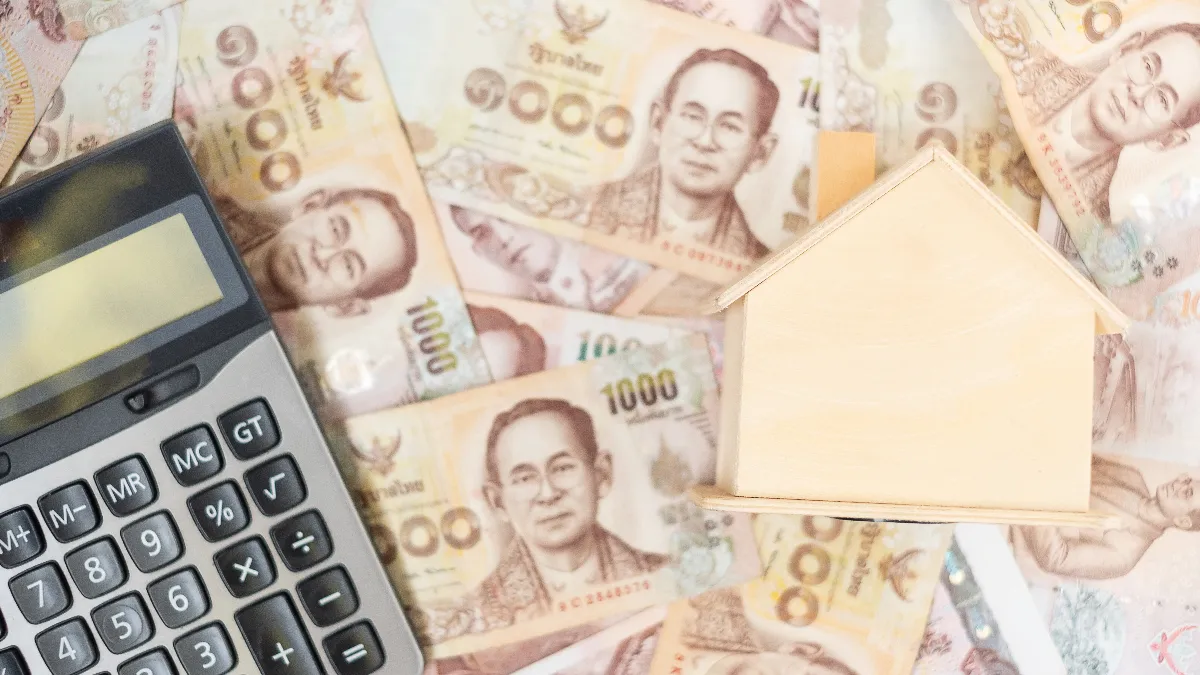
Most buyers financing a London purchase from Thailand end up with one of three routes.
A residential mortgage suits a buyer who will use the property personally. It can serve as a base for visits, a home for a child at university in London, or a future move.
A buy-to-let mortgage suits a buyer whose main aim is rental income. Lenders usually test affordability against the projected rent rather than your personal earnings. That helps if your UK-sourced income is thin, but the flat will be professionally let.
Our property management services for overseas London landlords keep the asset running smoothly from day one. Our services also support the rental figures in your application.
A cash purchase is more common than many people assume among Southeast Asian buyers in London. This option removes currency exposure, mortgage fees and lender checks. The trade-off is that a large share of your capital sits in one asset.
Additional costs to factor in
The purchase price is only part of what you’ll spend.
Stamp Duty Land Tax (SDLT).
Overseas buyers pay a 2% surcharge on top of standard SDLT rates. Our stamp duty land tax guide for overseas buyers lists the current thresholds and surcharges.
Legal fees.
Every UK purchase needs a solicitor or licensed conveyancer. For overseas buyers, conveyancing typically costs £1,500 to £3,000. It can be more if the transaction is complicated.
Mortgage arrangement fees.
These can vary by lender. You can either pay them upfront or add them to the loan. On specialist non-resident products, they tend to run higher than usual.
Survey costs.
An independent survey is recommended for every buyer, especially for older buildings. A basic valuation can cost a few hundred pounds. A full structural survey can top £1,000.
Working with a UK mortgage broker

An experienced broker who has placed overseas applications before makes the process easier. They know which lenders accept Thai nationals. They can also advise on how each lender prefers documents presented and how to frame an application based on non-UK income.
Approaching lenders directly rarely works well in this market. Lenders apply criteria unevenly and some of the best-suited lenders only work through brokers.
Starting your search
For most overseas buyers, financing comes before the property search. This is the right order. Once you know what you can borrow and on what terms, every later decision gets easier.
Our Thailand office works directly with investors across the region who are considering London property. We guide clients seeking practical advice on how it all fits together. If you are looking at financing for the first time, our team can help you see where you stand.
To speak with them, contact our Bangkok office directly.