 United Kingdom
 China
China Hong Kong SAR
 India
India Indonesia
 Japan
Japan Malaysia
 Middle East
 Singapore
 Taiwan
 Turkey
London has always reorganised itself around its transport network. The Jubilee Line extension did it in the late 1990s, the Overground did it more quietly across south and east London through the 2000s. And the Elizabeth Line is doing it again and on a much bigger scale.
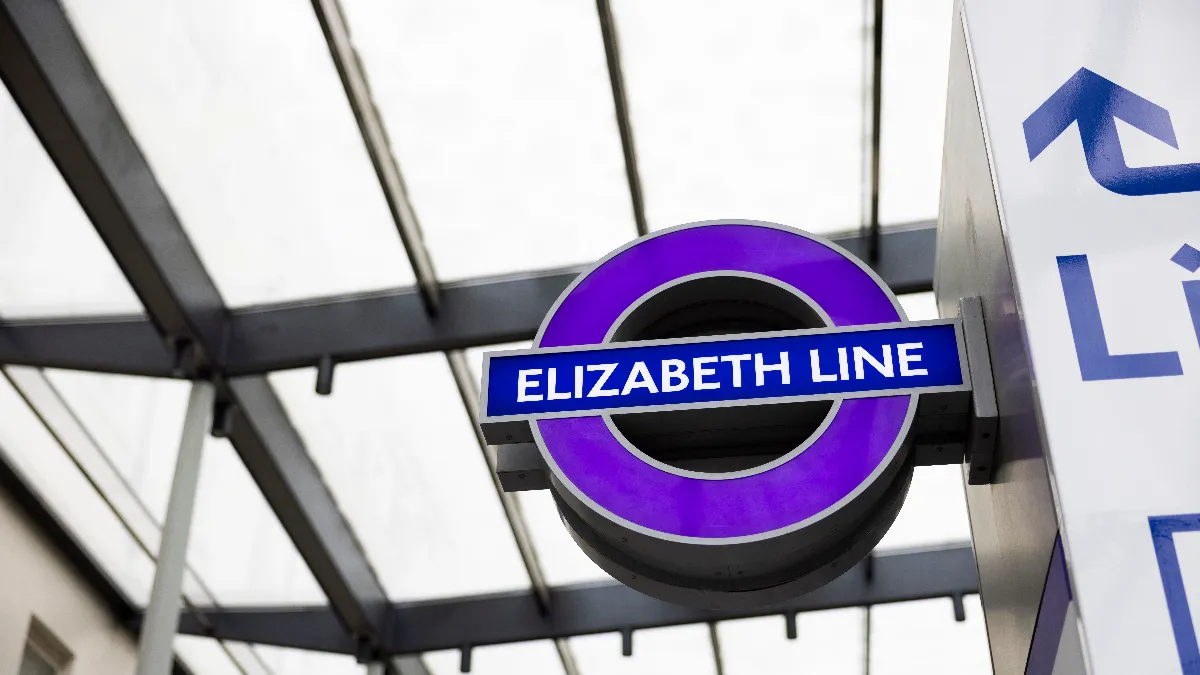
When Crossrail finally opened in full in 2022, it connected Reading in the west to Shenfield and Abbey Wood in the east, running through central London without the usual interchange delays.
What transport actually does to a neighbourhood
A new line changes how a place fits into someone's mental map of the city. Before the Elizabeth Line, a buyer weighing up Woolwich would have had to factor in a fairly longer journey to central London. Post-Elizabeth Line, that same buyer is looking at roughly 20 minutes to Bond Street.
Developers, retailers and local authorities all read infrastructure signals and when a major line arrives or when it's confirmed, the surrounding area typically starts to shift. New residential schemes get planning approval and high streets that had been stagnant for years start to see investment. The physical fabric of a neighbourhood catches up with its new accessibility.
It's a pattern that repeats. And the Elizabeth Line has produced several clear examples of it.
Woolwich: connectivity arriving ahead of the wider change
Woolwich has been in transition for a while. The DLR already served it; now, with the Elizabeth Line's arrival, journey times into the City and West End have been significantly reduced.
What's notable about Woolwich is that much of the residential change is still in progress. That's partly what makes it an interesting case study rather than a settled story. Large-scale development, most of it mixed-use, has been underway around the station and along the riverfront.
The character of this area is changing in ways that feel incremental from the inside but are fairly dramatic when you look at a ten-year comparison.
For anyone tracking living in Woolwich, it's worth understanding that the Elizabeth Line connection is one piece of a larger picture.
Canary Wharf: shifting from office district to genuine neighbourhood
Canary Wharf has its own Elizabeth Line station, separate from the Jubilee Line stop and the effect has been to strengthen its connection to the rest of London rather than just to the City and Westminster.
It's been interesting to watch how Canary Wharf has changed its residential landscape over the past decade. Significant investment has gone into retail, leisure and green space. There is now a genuine argument for living there rather than just working there. The Elizabeth Line adds to that. The Elizabeth Line adds to that. It puts Heathrow within roughly 50 minutes and connects Canary Wharf directly to Liverpool Street, Farringdon and Tottenham Court Road; corridors that matter to people living and working across the city.
For anyone already seeking homes in Canary Wharf, the transport picture is now considerably stronger than it was five years ago.
Reading, Slough and the outer-zone question
Reading and Slough were already established commuter towns, but their direct connection to central London, without a change at Paddington, has made commuting very convenient. Slough, in particular, is worth noting. For buyers weighing space and value alongside connectivity, journey times under 30 minutes to Bond Street are worth noting.
The regeneration thread running through it all
If there's one thing the Elizabeth Line has made clearer, it's that connectivity and regeneration move together. Where the line runs through areas that already had development pressure, it has accelerated things. Where it runs through areas that were undervalued relative to their geography, it has opened them up. Stratford. Custom House. Forest Gate. Each of these has its own version of the same story — a neighbourhood adjusting to what it can now reach and being re-evaluated by the market accordingly.
The London property market trends of the past few years can't really be read without reference to the Elizabeth Line. It's one of the significant structural changes to how London's housing geography works.
Where to look for context
Understanding any of these locations properly means understanding how they sit within London's wider residential picture. The London neighbourhood guides on Benham and Reeves cover many of the areas the Elizabeth Line passes through and are useful if you're building a view on a specific location rather than the network as a whole.
If you'd like to understand how specific Elizabeth Line locations sit within the broader London market, from a buyer's perspective grounded in local knowledge, the Benham and Reeves Thailand team is well placed to help.
We've been working with Indian buyers across London for decades and the nuances of transport-led change are very much part of how we guide that conversation.